 Watt
WattNeutral bonding plugs
The cheapest part on this site and the one most likely to be the difference between charging and not charging.
If your generator has a floating neutral, an EV charging cable will fault out and refuse to energize. A bonding plug jumps neutral to ground inside an unused receptacle and clears it. Full explanation here — read it before buying, because which plug you need depends on which receptacle you're leaving free.
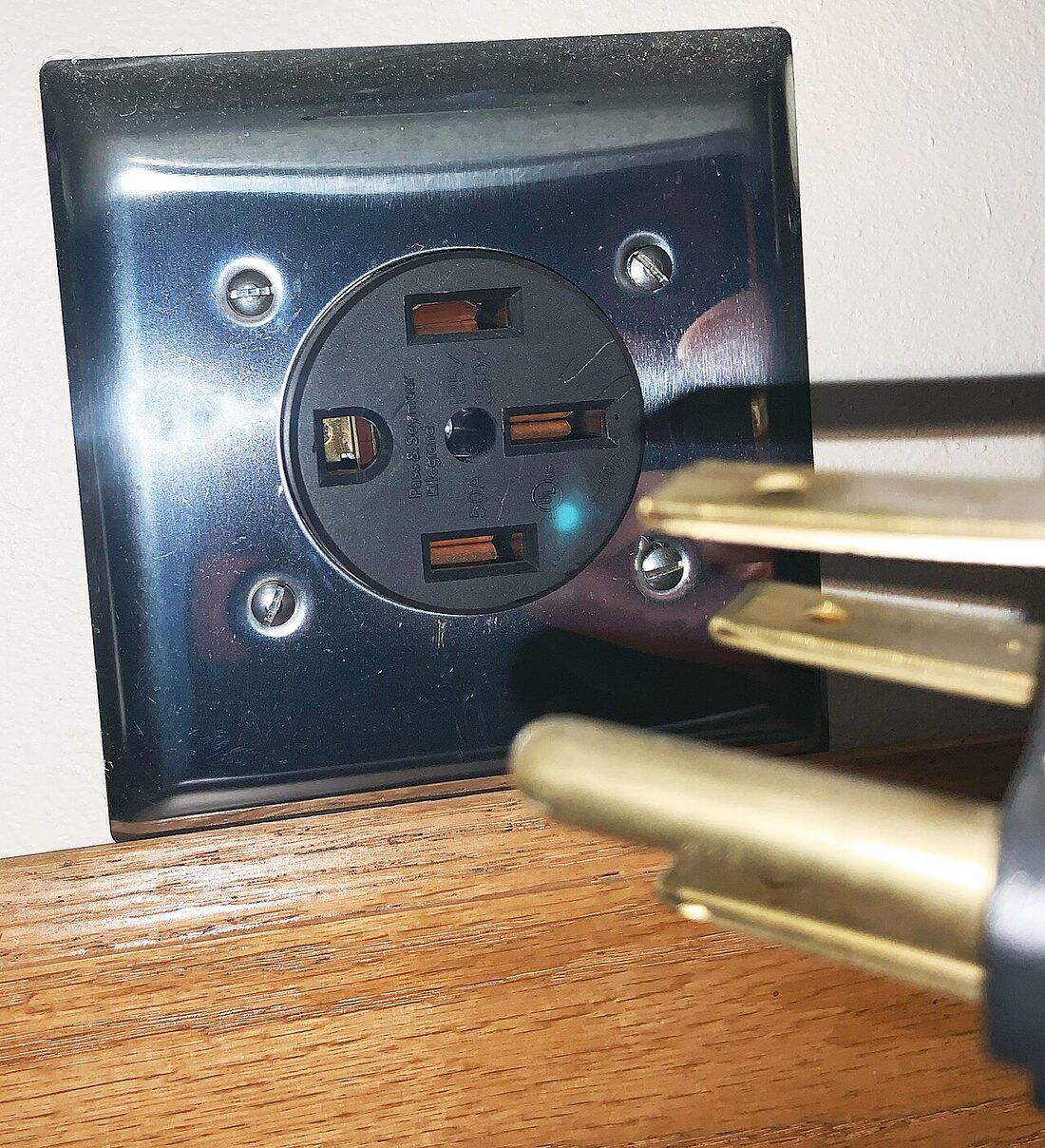
Pick by the outlet you're NOT charging from
| Charging from | Bonding plug goes in | Plug type |
|---|---|---|
| NEMA 14-50R (240V, 50A) | The L14-30R twist-lock | L14-30P |
| L14-30R twist-lock | A 120V household outlet | 5-20P |
| Either 240V outlet | Any free 120V outlet | 5-20P |
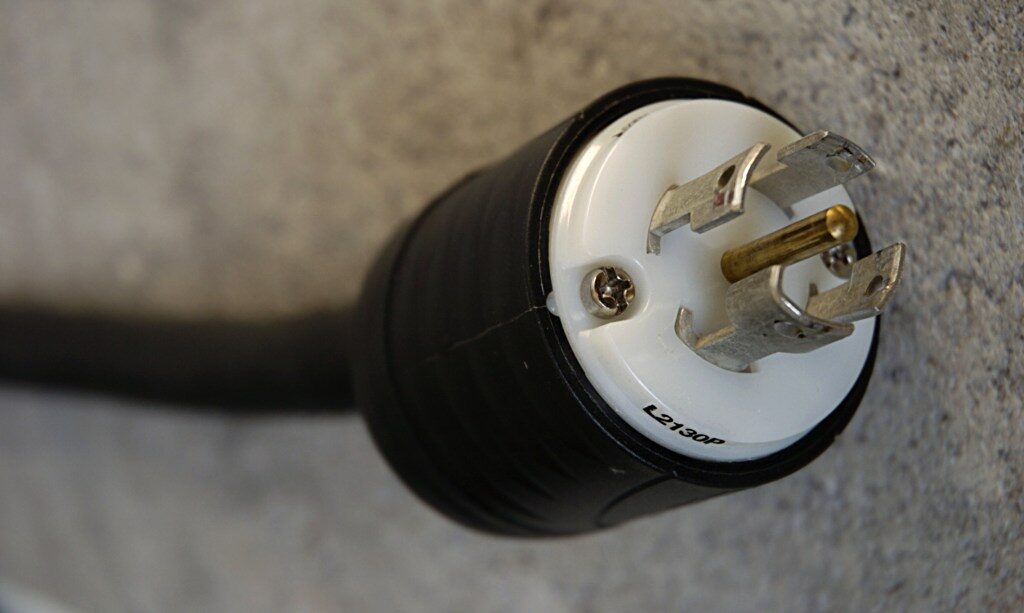
Factory GENMAX twist-lock bonding plug
✓ Owned and verified on my GM10500XiT
Mine shipped in the box, which is not something every manufacturer bothers with. It seats in the L14-30R and leaves the 14-50R free for the charging cable.
Check your box first. If your generator included one, you don't need to buy anything. Look for a small plug body with no cord attached.
L14-30P neutral bonding plug
For generators with a free 30A twist-lock receptacle. Look for a molded body with a visible neutral-to-ground jumper and a rating matching your receptacle.
- Confirm it's a bonding plug, not a blank weather cap — listings blur the two
- Molded beats field-assembled unless you're comfortable wiring it yourself
- Expect roughly $15–25; much cheaper is worth a second look
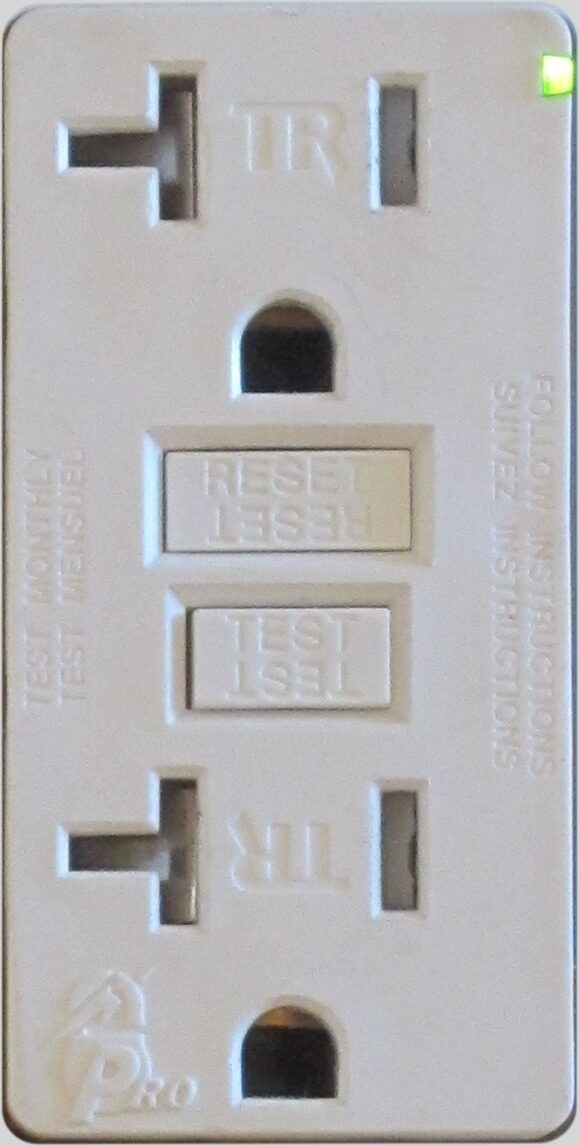
5-20P household bonding plug
If you're charging through the twist-lock and have a standard 120V outlet free, this is the simpler and cheaper option. Same job, smaller plug.
Check priceRemove it before feeding your house. With a bonding plug installed and the generator connected through a transfer switch that doesn't switch neutral, you create two parallel neutral-ground paths. That's a code violation and it can defeat GFCI protection downstream. Details →